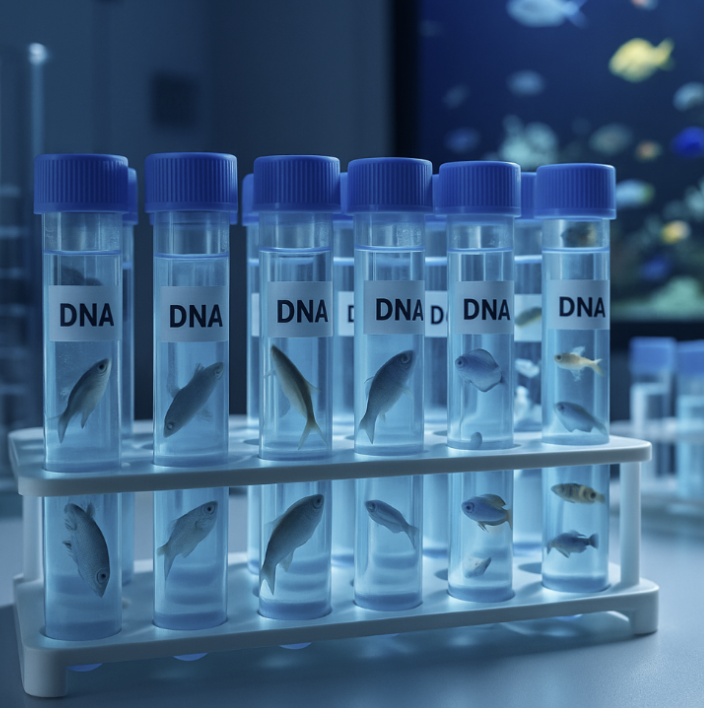
From coral reefs to freshwater rivers, aquatic life represents some of the most diverse and fragile ecosystems on Earth. Yet fish and marine species face mounting threats from overfishing, climate change, and habitat degradation. The risk is not only the loss of individual species but also the erosion of genetic diversity that underpins ecosystem resilience.
What is Aquatic Biobanking?
Aquatic biobanking is the preservation of genetic material from marine and freshwater organisms—ranging from DNA and tissue samples to live germ cells. These collections are stored in cryogenic facilities, where they remain viable for decades. The goal is to create a long-term archive of aquatic biodiversity that can be accessed for research, conservation, and restoration efforts.
By capturing the genetic “blueprint” of species, biobanks ensure that even if wild populations decline or disappear, their unique genetic diversity is not irretrievably lost.
Applications in Conservation and Research
The value of aquatic biobanks extends far beyond preservation alone. They serve as living libraries that support:
- Securing genetic codes for future generations: DNA archives provide an irreplaceable record of species diversity.
- Sustainable fisheries and aquaculture: Genetic material can guide breeding programs for disease resistance, growth efficiency, and climate adaptability.
- Species restoration and reintroduction: Stored gametes and embryos may one day help re-establish populations lost in the wild.
For example, efforts to conserve endangered sturgeon and salmon species increasingly rely on cryopreserved germ cells to stabilize populations under pressure from overharvesting and warming rivers.
Global Relevance and Collaboration
Aquatic ecosystems are transboundary by nature, making international collaboration essential. Biobanking initiatives in Europe, North America, and Asia are beginning to share protocols and databases, ensuring interoperability across institutions. Global networks could help protect migratory species whose life cycles span continents and oceans.
This collaborative framework mirrors advances in terrestrial biobanking, but with added urgency—marine ecosystems are declining at unprecedented rates due to climate-driven coral bleaching, ocean acidification, and destructive fishing practices.
Innovations on the Horizon
Emerging technologies are expanding the scope of aquatic biobanking. High-throughput sequencing allows detailed mapping of genetic diversity within species, while AI-driven data platforms improve cataloging and access to stored samples. Advances in cryopreservation of fish sperm, eggs, and even embryonic cells are increasing the viability of reintroduction programs.
Integration with conservation genomics may also reveal how aquatic species adapt to stressors like rising ocean temperatures, guiding strategies for assisted evolution and selective breeding in aquaculture.
Preserving the Future of Our Waters
Aquatic biobanks are more than repositories—they are strategic tools for protecting biodiversity, securing food resources, and understanding ecosystem resilience. By combining cryogenic preservation with cutting-edge genomic science, they ensure that the genetic heritage of oceans and rivers remains available for generations to come.
The future of aquatic conservation depends not only on safeguarding habitats today, but also on preserving the genetic potential of species for tomorrow. Establishing biobanks as a global standard could provide the safety net needed to protect one of the planet’s most vital and vulnerable ecosystems.